

 Shimul Chowdhury
Introduction
Tattoo fonts have evolved significantly, transitioning from a traditional art form to a prominent feature in digital design. This journey reflects not just a change in style but also the influence of culture, technology, and branding. As businesses seek to establish their unique identities, these fonts in digital design have gained traction, especially within lifestyle and creative industries. By harnessing the aesthetic appeal of tattoo typography, brands can create memorable impressions that resonate with their audiences.
In this blog, we’ll explore the journey of tattoo fonts from skin to screen, examining their historical origins, design elements, and their role in modern branding. We’ll also touch on the technological advancements that have shaped their evolution and the impact of social media on their popularity. Whether you’re a designer, a brand manager, or simply a tattoo enthusiast, understanding the significance of these fonts in digital design can help you appreciate their unique charm and potential.
Tattoo Fonts: From Skin to Screen
Historical Origins
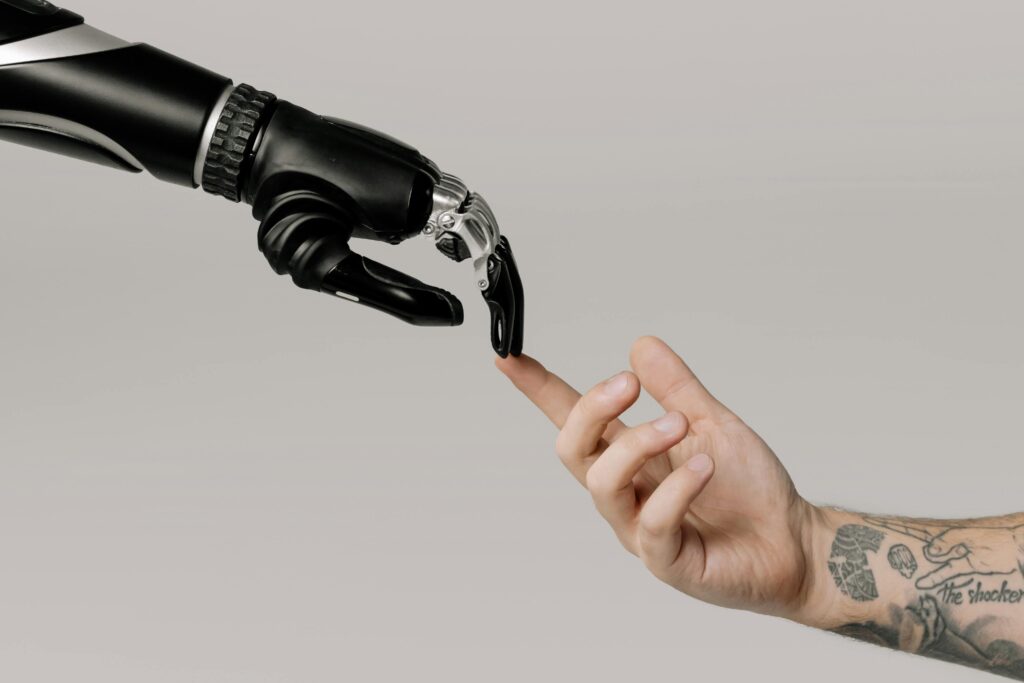
Tattoo typography has deep roots in traditional art forms, originating from ancient cultures where body art served as a form of expression and identity. Early tattoos often featured bold lines and intricate designs, laying the groundwork for what we now recognize as tattoo typography. The transition from skin to screen began as artists sought new ways to replicate the boldness and flair of these designs in print media.
Transition to Digital Typefaces
The rise of digital design in the late 20th century marked a significant turning point for these fonts. With the advent of desktop publishing, designers began to create typefaces that captured the essence of traditional tattoos. This period saw an explosion of creativity, heavily influenced by punk culture. Designers like David Carson pushed boundaries, using chaotic, expressive fonts that mirrored the rebellious spirit of the punk movement.
Early Adoption in Print Media
The early use of tattoo-inspired typography in print media set the stage for their eventual integration into digital branding. Punk zines and music album covers prominently featured these designs, showcasing their versatility and appeal. These early examples demonstrated how tattoo-inspired styles could convey a message or mood, paving the way for more mainstream applications.
The Rise of Tattoo Fonts in Digital Branding
Shift to Digital Branding
As branding transitioned into the digital realm, the demand for customizable and unique font choices increased. Brands began to recognize the power of tattoo typography in conveying distinct, edgy identities that resonated with their target audiences. This shift allowed for greater creativity and experimentation, enabling designers to push the boundaries of traditional branding.
Incorporation for Distinct Looks
Tattoo fonts have become a go-to choice for brands looking to establish a memorable visual identity. Companies in lifestyle sectors—like fashion, music, and art—often incorporate tattoo typography to evoke a sense of authenticity and rawness. This has resulted in numerous brands successfully using these fonts to enhance their visual storytelling.
Early Digital Platforms
Early digital platforms such as MySpace and various music-related websites began utilizing tattoo-inspired styles to appeal to youth culture. These platforms showcased how such typography could create a sense of community and belonging, drawing users into their environments.
Key Design Elements of Tattoo Fonts
Line Art and Swirls
One of the defining characteristics of tattoo typography is its bold lines, flourishes, and curves. These fonts often feature intricate line art and swirls that contribute to their unique aesthetic. These elements not only add visual interest but also capture the fluidity and dynamism of tattoo designs.
Variations in Style
Tattoo typography comes in a variety of styles, including Gothic, script, tribal, and modern designs. Each style carries its own connotations and emotional weight, allowing designers to select fonts that align with their brand narratives. For instance, Gothic styles might convey a sense of mystique, while script options exude elegance.
Role in Digital Aesthetics
The key design elements of tattoo fonts play a crucial role in digital aesthetics and logo design. As brands seek to create strong visual identities, the unique characteristics of these fonts can help differentiate them from competitors. This distinction is particularly important in crowded markets where standing out is essential.
The Technological Evolution of Tattoo Fonts
Introduction of Digital Tools
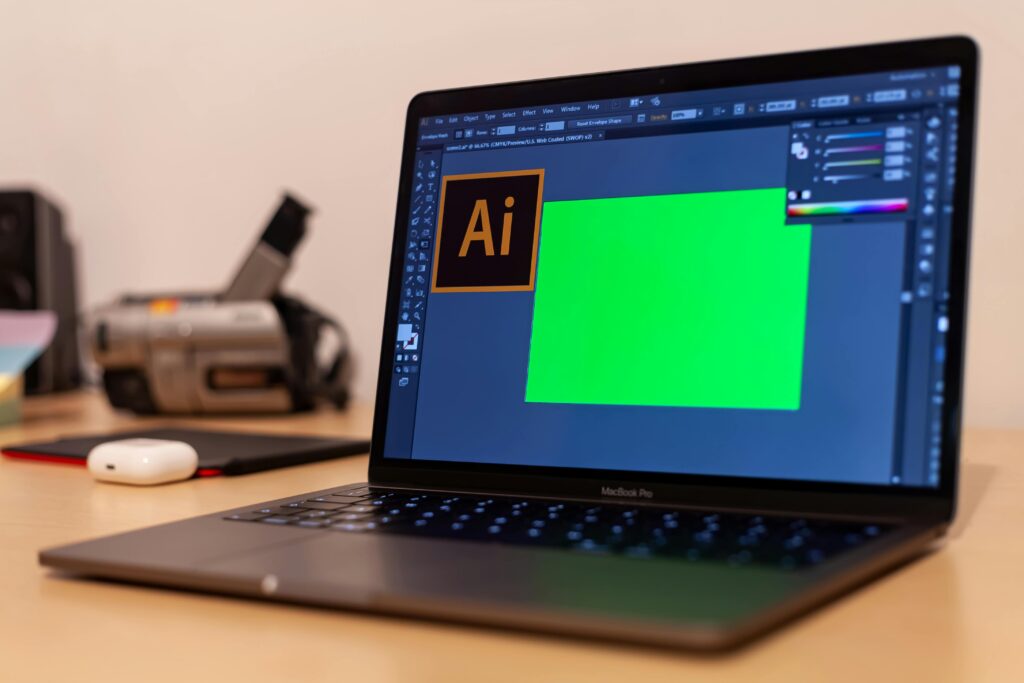
The introduction of digital design tools such as Adobe Illustrator and Procreate has revolutionized font creation. These tools allow designers to craft tattoo-inspired styles that are not only aesthetically pleasing but also scalable and editable. This technological evolution has opened up new possibilities for creativity, enabling the precise replication of hand-drawn styles in digital formats.
Transformation from Hand-Drawn to Digital Assets
The transition from hand-drawn tattoos to digital typefaces has transformed the accessibility and usability of these fonts. Designers can now create styles that maintain the organic feel of traditional tattoos while being versatile enough for various applications. This has broadened their use across different media, from print to web.
Impact of Vector Graphics
Vector graphics have played a significant role in enhancing the precision of tattoo-inspired fonts. The ability to create scalable designs means that they can be resized without losing quality, making them suitable for everything from business cards to large banners. Software updates have further improved the usability and functionality of these design tools, allowing for more intricate and detailed fonts.
Tattoo Fonts in Modern Web and UI/UX Design
Usage in Websites and UI Design
These fonts have found their way into modern web and UI/UX design, where they are used to create bold, branded experiences. Websites that utilize tattoo typography often evoke a sense of creativity and edginess, appealing to target demographics looking for authenticity.
Examples of Modern Platforms
Many contemporary websites and digital platforms effectively incorporate tattoo fonts. For instance, brands like Hustle & Flow and TattooNOW use tattoo-inspired typography to enhance their visual storytelling. These sites illustrate how such styles can be integrated into digital design to create engaging and immersive experiences.
Tips for Integration
When integrating tattoo typography, brands should consider Zeireed’s approach to creating engaging, brand-specific designs. Choose fonts that align with your brand’s personality and message while ensuring that they enhance readability and user experience. This balance is crucial for maintaining a professional and cohesive brand image.
The Influence of Social Media on Tattoo Font Trends
Social Media’s Role
Social media has been instrumental in popularizing tattoo-inspired fonts, particularly through aesthetic-based branding. Platforms like Instagram, YouTube, and TikTok have seen an influx of creators using these styles in their graphics and content, further cementing their place in digital design.
Popularity in Digital Content
Tattoo fonts have become a staple in social media graphics, logos, and video intros. Their unique and bold styles resonate well with audiences seeking authenticity and creativity. This trend highlights the importance of tattoo typography in establishing visual identities in the digital age.
Challenges and Considerations for Using Tattoo Fonts in Digital Design
Readability and Legibility
While tattoo fonts can add flair to designs, balancing aesthetic appeal with readability is essential. In web and mobile contexts, overly intricate styles may hinder legibility, impacting user experience. Designers must strike a balance to ensure that their branding remains effective and accessible.
Brand Fit
Choosing tattoo typography that aligns with the brand’s personality is crucial. Not all tattoo fonts will suit every brand; selecting the right style is key to conveying the desired message and tone. Brands should evaluate how well the chosen typography reflects their values and aesthetics.
SEO and Accessibility
From an SEO perspective, ensuring that tattoo fonts are compatible across different screen sizes is essential. Additionally, brands should consider accessibility guidelines to ensure that their designs cater to all users, including those with visual impairments. This can involve using alternative text and ensuring high contrast for legibility.
Future Trends for Tattoo Fonts in Digital Design
Predicted Growth and Adaptability
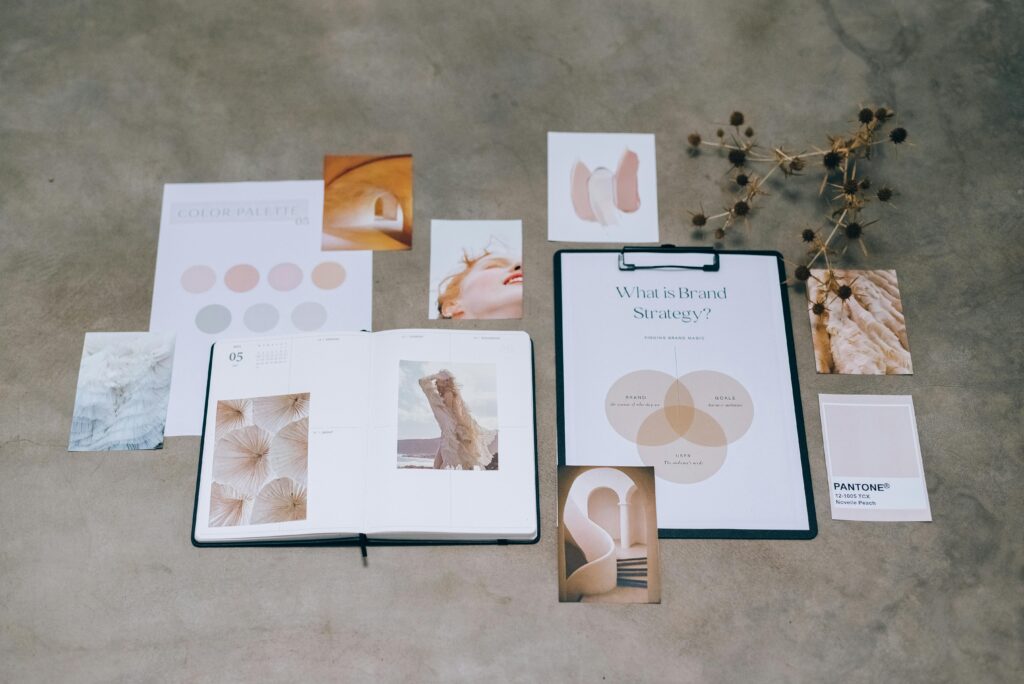
As technology continues to advance, tattoo fonts are expected to grow in popularity and adaptability. With the rise of AI tools, designers will have the opportunity to create innovative and interactive styles that push the boundaries of traditional typography.
Holographic and Interactive Experiences
Future trends may see tattoo fonts evolve into holographic and interactive designs, enhancing user experiences in AR and VR environments. This integration could open up new possibilities for branding and marketing, allowing for immersive storytelling.
Leveraging Trends for Impactful Designs
Brands like Zeireed can leverage these trends by exploring cutting-edge applications of tattoo fonts. By staying ahead of the curve and embracing new technologies, brands can create impactful designs that resonate with modern audiences.
Conclusion
The journey of tattoo fonts from traditional ink to digital screens illustrates the transformative power of design evolution. These fonts have moved beyond body art, becoming a significant asset for brands looking to communicate creativity, boldness, and authenticity. From early print applications to modern web and social media uses, tattoo fonts have adapted to the demands of digital branding while retaining their expressive, unique essence.
For brands aiming to stand out, tattoo fonts offer a distinctive edge—one that is increasingly relevant in an era of visually driven branding. By harnessing the adaptability of tattoo fonts and using them thoughtfully in digital design, brands can create a lasting impression that resonates with their audience.
If you’re ready to integrate tattoo-inspired fonts into your digital presence, Zeireed can help bring this artistic flair into your branding. With expertise in innovative web design and a focus on conversion, Zeireed offers customized solutions that capture your brand’s personality and elevate your visual identity. Partner with us to give your brand the bold, unforgettable touch of tattoo fonts, and leave a lasting mark in the digital landscape. Partner with Zeireed today to discover how tattoo fonts can elevate your brand identity and create a lasting impression in the digital landscape.