

 Shimul Chowdhury
Introduction
In the ever-evolving digital landscape, keeping your website well-maintained is not just a recommendation—it’s a necessity. Web maintenance services are the cornerstone of a high-performing, secure, and user-friendly website. Without regular maintenance, your site may experience slow loading times, diminished SEO rankings, security vulnerabilities, and a loss of user trust. All of these can lead to serious financial and reputational setbacks.
Consider this: businesses lose an average of $5,600 for every minute of website downtime. Such losses emphasize the importance of investing in comprehensive web maintenance services. These services ensure your website operates smoothly, adapts to changes, and meets the needs of your audience. Moreover, a well-maintained website demonstrates professionalism and reliability, encouraging users to engage and convert.
In this blog, we’ll dive into 15 transformative web maintenance services that can elevate your website’s success. From security updates to speed optimization and mobile responsiveness, these services address every crucial aspect of website management. Following the recommendations outlined here, you can achieve a faster, safer, and more compelling online presence.
Why website issues rarely show up as emergencies
Most website problems don’t announce themselves with errors or alerts.
They build quietly through outdated components, slow degradation, and small inconsistencies that feel harmless day to day.
By the time something looks “wrong,” the issue has usually been affecting the site for weeks or months.
The real cost isn’t a sudden crash — it’s gradual loss of trust, declining engagement, and missed leads that never feel connected to a technical cause.
Businesses often notice the impact on revenue before they realize the website was the source.
This is why professional web maintenance isn’t about reacting to problems — it’s about preventing silent damage before it becomes expensive and visible.
Security Updates & Patching

Cybersecurity threats are an ever-present challenge for websites of all sizes. Regular security updates and patching are the most critical web maintenance services to safeguard your site. This involves updating your website’s software, plugins, and themes to address vulnerabilities and protect against malicious attacks.
Statistics show that in 2025, 43% of cyberattacks targeted small businesses due to weak website defenses. Hackers often exploit outdated software, making timely updates a necessity. Incorporating this service reduces the risk of data breaches, malware infections, and other cyber threats that could compromise your website and reputation.
To ensure robust security, consider using automated update systems and subscribing to security advisories relevant to your platform. Tools like Wordfence or Sucuri can provide added layers of protection, monitoring for potential threats and applying patches as needed. Regularly reviewing your website’s security measures can save you from costly repairs and lost opportunities, reinforcing user trust and confidence in your brand.
Regular Website Backups
Imagine instantly losing years of data, customer information, or critical website content. This is why regular website backups are a cornerstone of web maintenance services. Backups act as a safety net, protecting your business from unexpected losses caused by cyberattacks, server failures, or accidental human errors.
Statistics indicate that businesses employing consistent web maintenance services, including backups, experience up to 30% improvements in traffic and user engagement. This shows why having a solid backup plan is so important. Without it, recovering from data loss could take weeks, if not months, costing you time, credibility, and revenue.
To implement effective backup measures, schedule automatic daily or weekly backups and ensure the data is securely stored in an offsite location. Tools like UpdraftPlus, BackupBuddy, or automated services provided by hosting platforms can handle this efficiently. Additionally, regularly testing your backup files is crucial to ensure they function correctly when needed. Integrating this service into your maintenance routine can safeguard your digital assets and ensure uninterrupted operations.
Website Speed Optimization
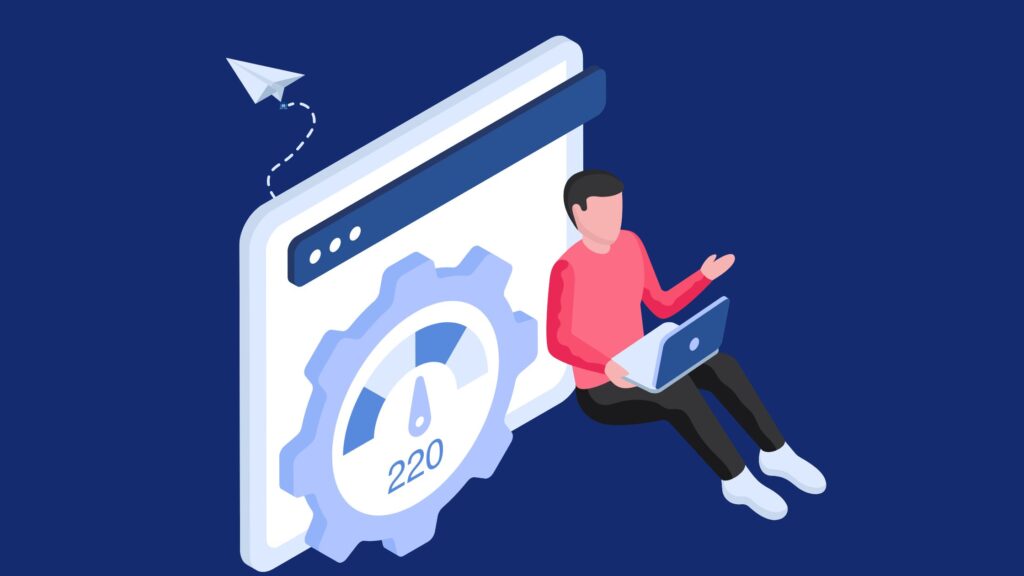
Speed is among the most influential factors in user satisfaction and search engine rankings, making it a priority in web maintenance services. A fast website enhances user experience, reduces bounce rates, and significantly improves SEO performance. On the other hand, slow websites risk losing visitors within seconds—83% of users expect websites to load within three seconds.
Website speed is so critical that Google uses it as a ranking factor, making optimization necessary for visibility and conversions. Neglecting speed optimization can lead to higher bounce rates, decreased traffic, and lost opportunities. This is why web maintenance services often include speed assessments and upgrades to ensure your site performs at its best.
To optimize website speed, consider implementing techniques such as image compression, leveraging browser caching, and enabling Content Delivery Networks (CDNs). Minimizing HTTP requests and using lazy loading for images are also effective strategies. Regular audits using tools like Google PageSpeed Insights or GTmetrix can help identify areas for improvement. By prioritizing speed optimization, you meet user expectations and stay competitive in an increasingly demanding digital landscape.
Mobile Responsiveness Checks

As mobile devices dominate internet usage, ensuring your website is mobile-friendly has become critical to web maintenance services. A mobile-responsive website caters to a larger audience and significantly impacts SEO rankings and user retention. In fact, over 57% of users state they won’t recommend a business with a poorly designed mobile site. This underscores the importance of optimizing your website for various screen sizes and devices.
The lack of mobile responsiveness can lead to distorted layouts, slow navigation, and unreadable text, which frustrates users and drives them away. Such adverse experiences often result in higher bounce rates and missed conversion opportunities. With Google’s mobile-first indexing, websites not optimized for mobile devices are penalized in search rankings, affecting their visibility and traffic.
Effective web maintenance services for mobile responsiveness include implementing responsive design techniques that dynamically adjust your website’s layout based on the user’s device. Regularly testing your site on multiple devices and screen resolutions is essential to identify and address compatibility issues. Tools like Google Mobile-Friendly Test can help ensure your website meets mobile optimization standards. By prioritizing this service, you can enhance user satisfaction, improve engagement, and boost conversions.
Broken Link Monitoring & Fixing

Broken links are more than just a nuisance—they can damage your website’s credibility and negatively affect SEO rankings. Users encountering broken links may perceive your site as outdated or unreliable, leading to frustration and reduced trust. Studies show that 94% of users avoid outdated websites, making broken link monitoring an essential part of web maintenance services.
The consequences of neglecting broken links extend beyond user experience. Search engines like Google penalize websites with numerous broken links, reducing their chances of ranking well. This can significantly impact your site’s visibility and traffic. To address this, web maintenance services should include regular scans for broken links and prompt fixes to maintain a seamless browsing experience.
Several tools like Dead Link Checker and Ahrefs can automate identifying broken links. Once detected, links should either be updated, redirected, or removed. Regular monitoring ensures your website remains functional, professional, and SEO-friendly. Investing in this service enhances user satisfaction and upholds your brand’s reputation.
Malware Scanning & Removal
In an age of increasing cyber threats, protecting your website from malware has never been more crucial. Malware can compromise sensitive data, harm user trust, and even lead to blocklisting by search engines. Effective web maintenance services include regular malware scanning and removal to safeguard your site and visitors.
Websites that neglect maintenance are at a higher risk of malware infections, resulting in slow loading times, unauthorized access, and data breaches. For instance, cyberattacks on unprotected websites have been shown to cause significant financial losses and reputational harm. Regular malware checks help detect threats early, allowing you to take corrective actions before substantial damage occurs.
Use tools like Sucuri, Wordfence, or MalCare to fortify your site for real-time malware detection and removal. Ensure your hosting provider offers robust security measures and maintains an up-to-date firewall. Integrating malware scanning into your web maintenance services can protect your website’s integrity and build user trust, ultimately contributing to its long-term success.
SSL Certificate Installation & Renewal
SSL certificates are essential for creating a secure connection between your website and its users. They encrypt sensitive information, such as login credentials or payment details, ensuring data privacy and security. Including SSL certificate management in your web maintenance services builds trust and protects your visitors.
Browsers often flag websites without SSL certificates as “not secure,” deterring potential visitors and impacting SEO rankings. Studies show that over 70% of users abandon websites that don’t display the padlock icon, highlighting the necessity of SSL security. Beyond building trust, SSL certificates are also a ranking factor for search engines, emphasizing their importance in website maintenance.
As part of your web maintenance services, regularly check that your SSL certificate is valid and renew it before expiration to avoid disruptions. Additionally, ensure the certificate covers all pages, including subdomains. Tools like SSL Labs can help verify your site’s SSL configuration. By prioritizing SSL management, you secure user data and enhance your site’s credibility and search performance.
Content Updates & Optimization

Fresh, relevant content is the lifeblood of a successful website. Regularly updating and optimizing content keeps your audience engaged and improves your website’s SEO performance. Search engines reward sites with updated content, making this a vital part of web maintenance services.
Stale or irrelevant content can drive users away and hurt your rankings. Websites that update their blogs, landing pages, and product descriptions see higher traffic and user retention. Additionally, revisiting older content for SEO optimization—such as adding new keywords or updating links—can significantly boost your site’s visibility.
Develop a content calendar to ensure regular updates and maintain consistency. Audit existing content periodically to identify areas for improvement, like outdated information or broken links. Use tools like Google Analytics and SEMrush to monitor performance and fine-tune your strategy. Integrating content updates into your web maintenance services will keep your audience returning for more while staying competitive in search rankings.
SEO Audits & Performance Optimization

Search engine optimization (SEO) is critical to website traffic and online visibility. Regular SEO audits as part of your web maintenance services help identify issues like broken links, slow page speeds, or missing meta descriptions, all of which can hinder your rankings.
Research shows that over 90% of users never scroll past the first page of search results, making maintaining a strong SEO strategy essential. Regular audits ensure your site complies with search engine guidelines and adapts to algorithm changes.
During an SEO audit, evaluate both on-page factors, such as keyword usage and content quality, and technical elements like sitemaps and structured data. Tools like Ahrefs and Google Search Console can provide valuable insights. Addressing these areas will enhance your website’s performance and ensure it continues to rank highly. SEO audits are not just about driving traffic—they’re about sustaining long-term success for your online presence.
Database Optimization
A cluttered database can slow your website, leading to longer loading times and diminished user experience. Database optimization is a vital component of web maintenance services that ensures your website operates efficiently by streamlining data storage and retrieval processes.
Over time, databases accumulate unnecessary data such as spam comments, revisions, and temporary files. This clutter can increase query times and cause your site to lag, affecting SEO rankings and user satisfaction. Research shows that optimized websites experience up to a 20% reduction in bounce rates thanks to faster load times and smoother navigation.
To optimize your database, clean up redundant data and delete unused tables. Tools like phpMyAdmin or plugins such as WP-Optimize can assist in automating this process. Regularly check for database fragmentation and repair tables to maintain peak performance. Incorporating database optimization into your web maintenance services enhances speed, efficiency, and overall website performance, leading to a better user experience and improved search engine rankings.
Error Monitoring & Fixes

Website errors, such as 404 pages or server issues, can tarnish user experience and harm your site’s credibility. Effective web maintenance services include real-time error monitoring and prompt fixes to ensure your website remains functional and user-friendly.
Every minute of downtime costs businesses an average of $5,600, highlighting the financial stakes of unresolved errors. Beyond financial loss, persistent errors erode user trust and can lead to lower conversion rates. For instance, broken forms or inaccessible pages may frustrate potential customers, causing them to abandon your site altogether.
To address this, deploy tools like New Relic or Pingdom to monitor for errors and receive real-time alerts. Regular manual checks should also be conducted to identify and resolve issues proactively. Implementing an efficient error management system as part of your web maintenance services prevents revenue loss. It fosters a seamless user experience, reinforcing trust in your brand.
Plugin & Theme Optimization
Plugins and themes are the building blocks of many websites, providing functionality and design. However, outdated or poorly maintained plugins and themes can introduce security vulnerabilities and cause compatibility issues. This makes plugin and theme optimization a critical element of web maintenance services.
Reports reveal that over 50% of website hacks occur due to outdated plugins or theme vulnerabilities. Neglecting updates can lead to security breaches, slow performance, and site crashes. Regularly updating plugins and themes ensures they are compatible with the latest software versions and remain secure against threats.
As part of your maintenance strategy, audit your installed plugins and remove those that are unnecessary or redundant. Always source plugins and themes from reputable providers and avoid free options from unverified sources. Tools like WP Rollback can assist in safely updating or reverting plugin versions. You maintain a secure, fast, and reliable website by prioritizing plugin and theme optimization in your web maintenance services.
Uptime Monitoring & Downtime Prevention

Website uptime is crucial in maintaining a reliable and trustworthy online presence. Frequent downtime can frustrate visitors, harm your SEO rankings, and result in financial losses. Effective web maintenance services include uptime monitoring and strategies to prevent extended periods of unavailability.
Studies show that 79% of users avoid revisiting a website that was down during their initial visit. This highlights the significance of uptime monitoring in preserving user trust and ensuring consistent traffic. Moreover, downtime can cost businesses thousands of dollars in lost revenue, especially for e-commerce sites. Proactively addressing this issue is essential for long-term success.
To prevent downtime, use tools like UptimeRobot or Pingdom to monitor your website’s performance around the clock. These tools send real-time alerts in case of disruptions, allowing you to respond immediately. Additionally, invest in a reliable hosting provider with high server uptime guarantees and implement load balancing to handle traffic spikes. Integrating uptime monitoring into your web maintenance services ensures a seamless user experience and protects your reputation.
User Experience (UX) Enhancements

User experience (UX) is a determining factor in website success. A well-designed UX engages visitors and boosts conversion rates and customer loyalty. As part of web maintenance services, regular UX enhancements help create a website that’s intuitive, accessible, and enjoyable to use.
Research reveals that 88% of users are unlikely to return to a website after a bad experience. Some common culprits are poor navigation, slow loading times, and cluttered layouts. Addressing these issues through maintenance ensures your site meets user expectations and keeps them returning.
Key strategies for UX improvements include optimizing website navigation, ensuring mobile responsiveness, and enhancing accessibility for all users, including those with disabilities. Conduct user testing and gather feedback regularly to identify pain points and areas for improvement. Tools like Hotjar and Google Analytics can provide valuable insights into user behavior. You increase engagement, improve retention, and drive more conversions by prioritizing UX in your web maintenance services.
Website Compliance & Legal Updates

Legal compliance is an often overlooked aspect of web maintenance services. Still, it’s crucial for avoiding fines and building user trust. Regulations like the General Data Protection Regulation (GDPR) in Europe and the California Consumer Privacy Act (CCPA) in the U.S. require websites to handle user data responsibly and transparently.
Non-compliance can result in hefty penalties and damage to your brand reputation. Additionally, studies indicate that over 50% of users are concerned about data privacy and security when browsing online. Ensuring your website complies with legal requirements demonstrates your commitment to protecting user information.
Regularly update your website’s privacy policies, cookie consent banners, and terms of service to reflect current laws. Conduct accessibility checks to meet standards like the Web Content Accessibility Guidelines (WCAG), ensuring your site is usable for all visitors. Use tools like Cookiebot or Axe Accessibility Checker to simplify compliance processes. Keeping your website legally compliant fosters user trust and maintains a professional, ethical online presence.
Conclusion
Maintaining a website is an ongoing process that requires consistent attention and proactive management. By investing in professional web maintenance services, you can ensure your website operates at peak performance, remains secure, and provides a seamless user experience. Each service—from security updates to UX enhancements—plays a critical role in creating a successful online presence.
To recap, we’ve explored 15 game-changing web maintenance services that can drive your website’s success. These include security updates, speed optimization, mobile responsiveness checks, broken link monitoring, database optimization, and more. Together, these services protect your website from vulnerabilities, enhance user engagement, and improve search engine rankings.
If you’re ready to take your website to the next level, consider partnering with experienced professionals specializing in web maintenance services. By doing so, you’ll not only save time and resources but also ensure your digital presence remains ahead of the curve. A well-maintained website is the foundation of a successful business—don’t let yours fall behind.
Q: What are web maintenance services, and why are they important?
A: Web maintenance services encompass a range of tasks designed to keep your website secure, functional, and up-to-date. These include security updates, content optimization, and performance monitoring. They are essential to ensure optimal website performance, protect against cybersecurity threats, and provide a seamless user experience.
Q: How often should web maintenance services be performed?
A: The frequency depends on your website’s needs. For example, backups and security updates should be conducted weekly or daily. In contrast, audits like SEO checks and database optimization can be done monthly or quarterly. Regular maintenance ensures your website stays reliable and efficient.
Q: Can I handle web maintenance services on my own?
A: While some tasks, like updating plugins or monitoring broken links, can be managed independently, others—such as malware removal or database optimization—require technical expertise. Hiring professionals can save time and ensure your website is maintained effectively and securely.
Q: How do web maintenance services improve SEO?
A: Regular maintenance optimizes SEO factors, such as website speed, mobile responsiveness, and fresh content. Resolving broken links and conducting SEO audits enhance search engine visibility and user experience, contributing to higher rankings.
Q: Are web maintenance services only necessary for large websites?
A: No. Regardless of size, every website benefits from maintenance. Small websites are equally vulnerable to cyberattacks and performance issues. In fact, smaller businesses may face more significant risks due to limited resources for damage control.
Q: What is the cost of web maintenance services?
A: Costs vary based on the scope of services and your website’s size and complexity. DIY solutions may seem cost-effective but lack the expertise offered by professional services, which deliver long-term value by preventing costly issues and enhancing website performance.
Q: How do I choose the right web maintenance service provider?
A: Look for providers with proven expertise, a transparent pricing structure, and good customer reviews. They should offer comprehensive services tailored to your website’s specific needs and provide ongoing support.